Friday, 20 August 2021

Unusual visitors and unwanted predators

 Kiwicoast Visitors


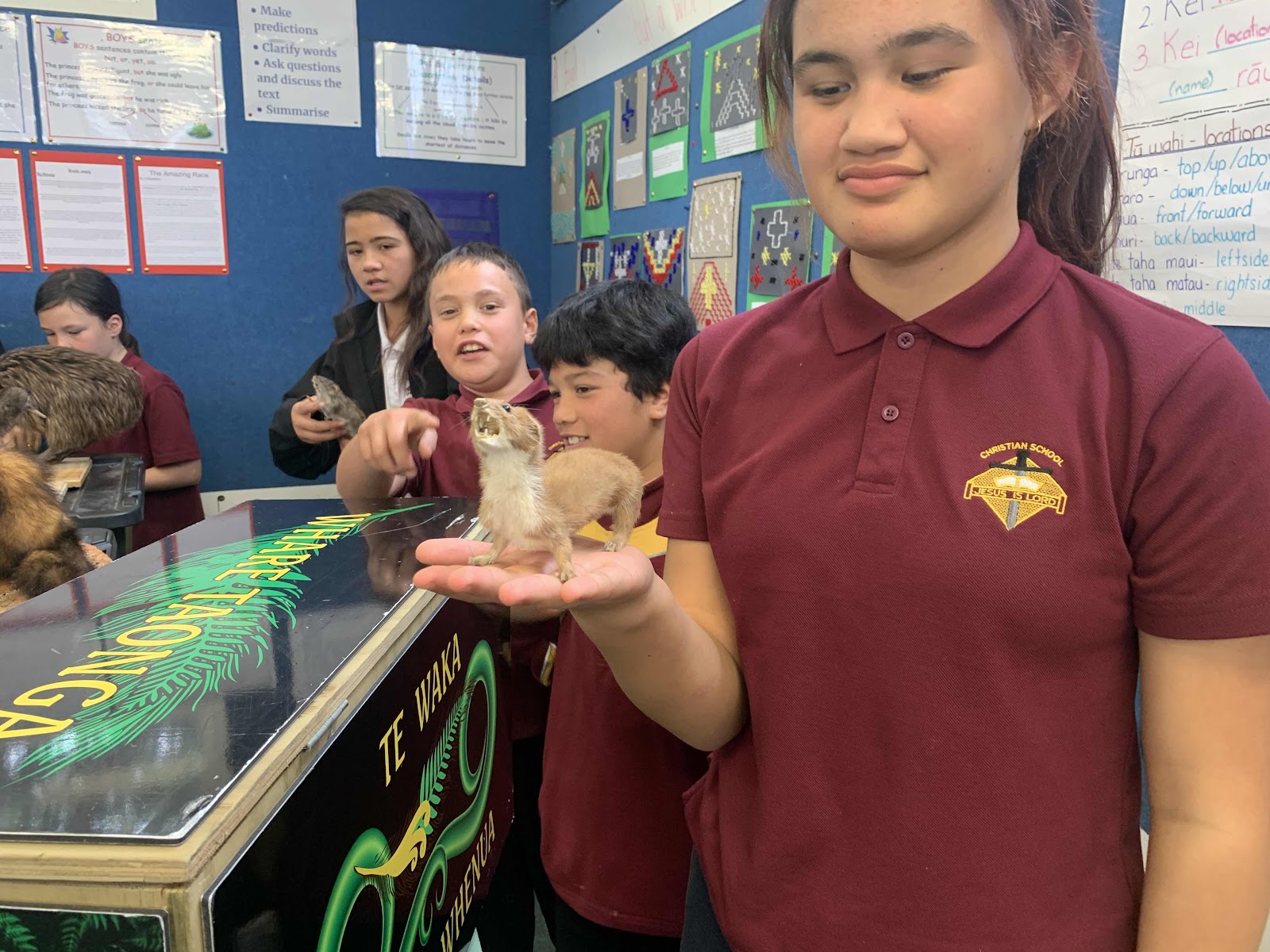
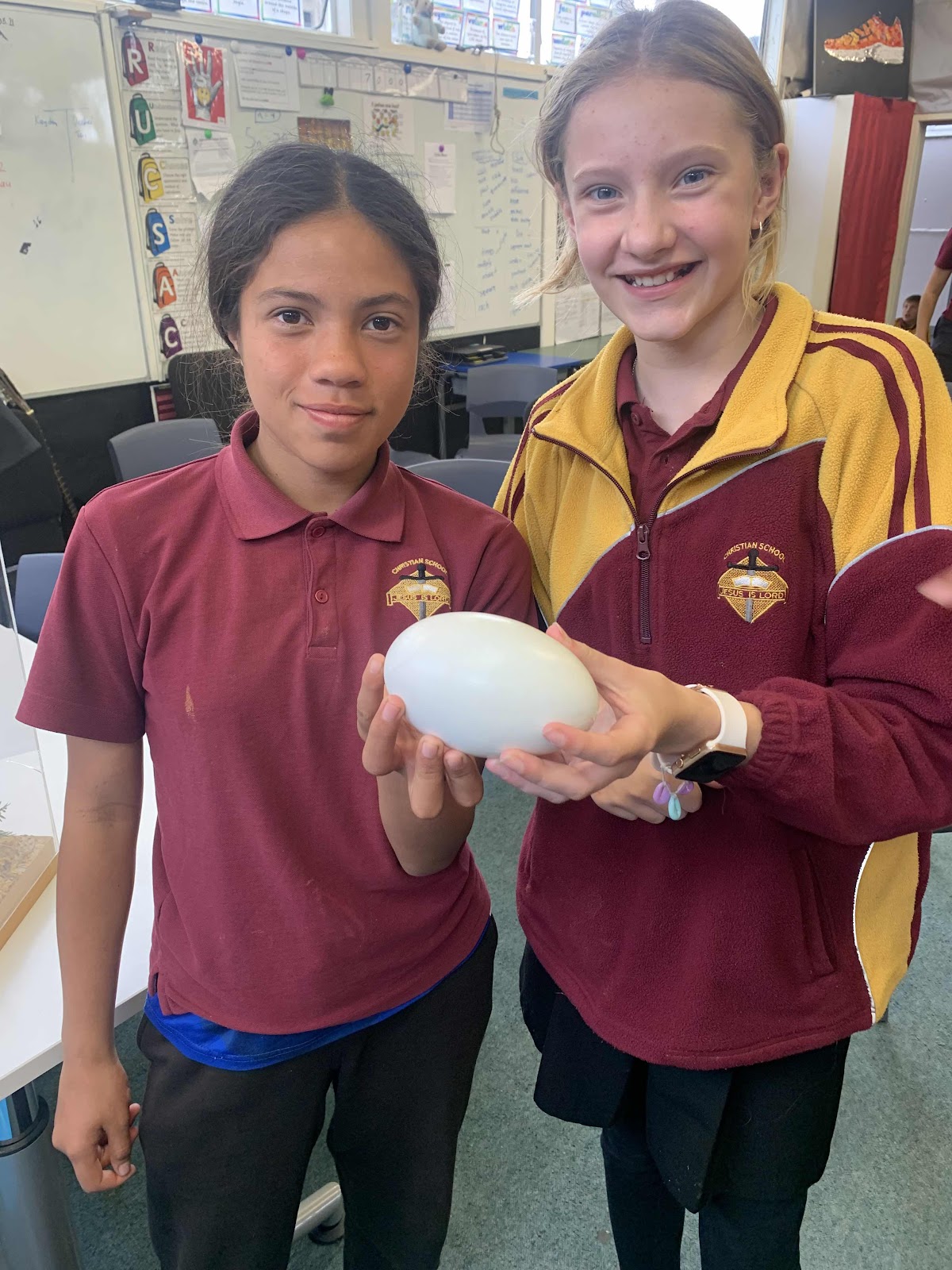
On the 16th of August, two people from the Kiwicoast named Andy mentor and Lesley Baigent came to Kaikohe Christian School to talk to us about New Zealand’s mustelid problems and how to prevent them from eating away forests and our native birds’ habitats. Mustelids were introduced to New Zealand to stop the growing rabbit population now their population has escalated worse than the rabbits ever have and will. Possums are a huge predator and contributor to the endangerment of New Zealand’s native animals.

They left us with two rat traps called alligator traps. We have not yet decided where to put them.


By Taylah


Tuesday, 27 July 2021

What do you know already?

Yesterday Mr Prickett’s class joined us for our topic - conservation and communication. 

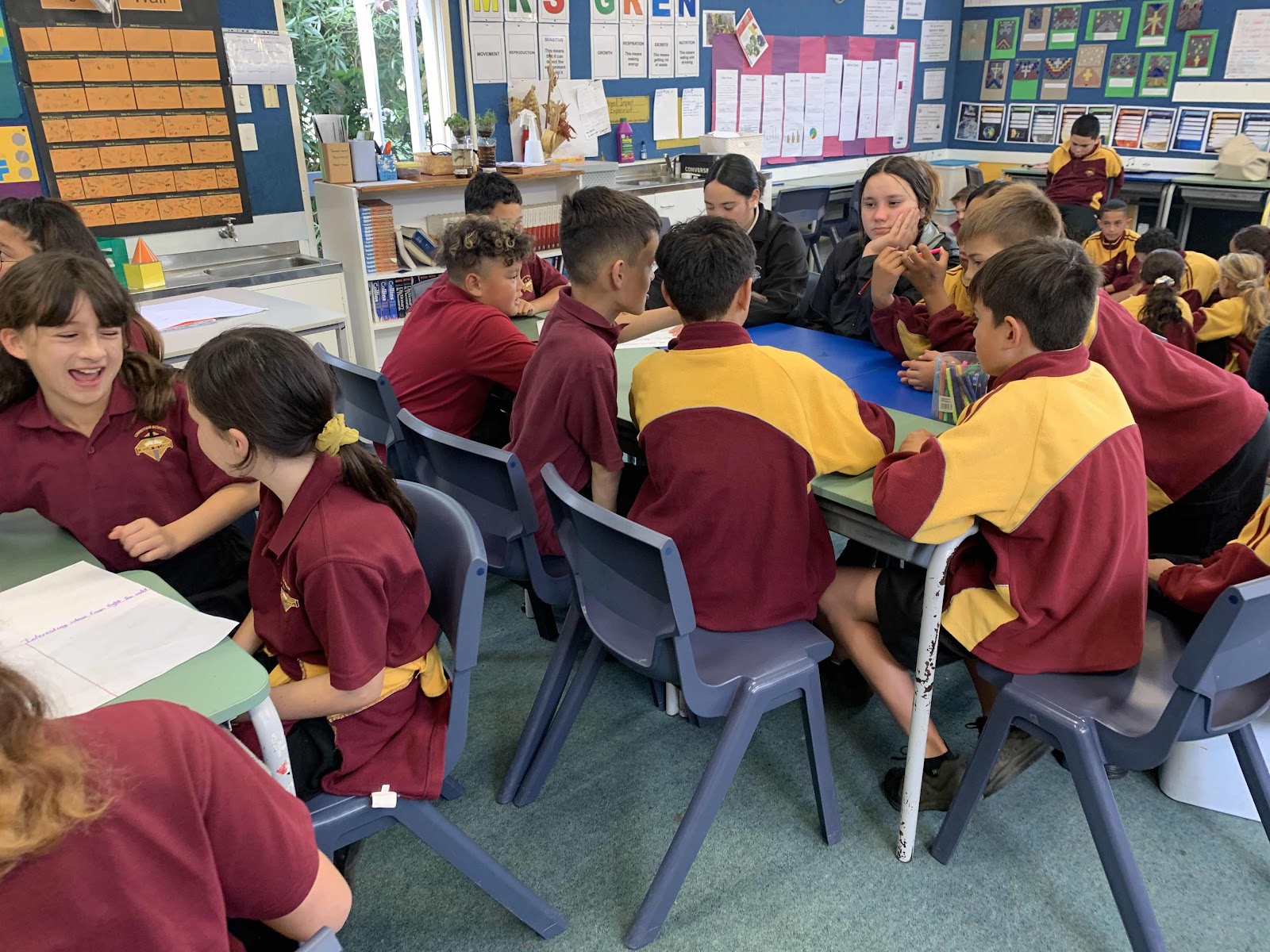
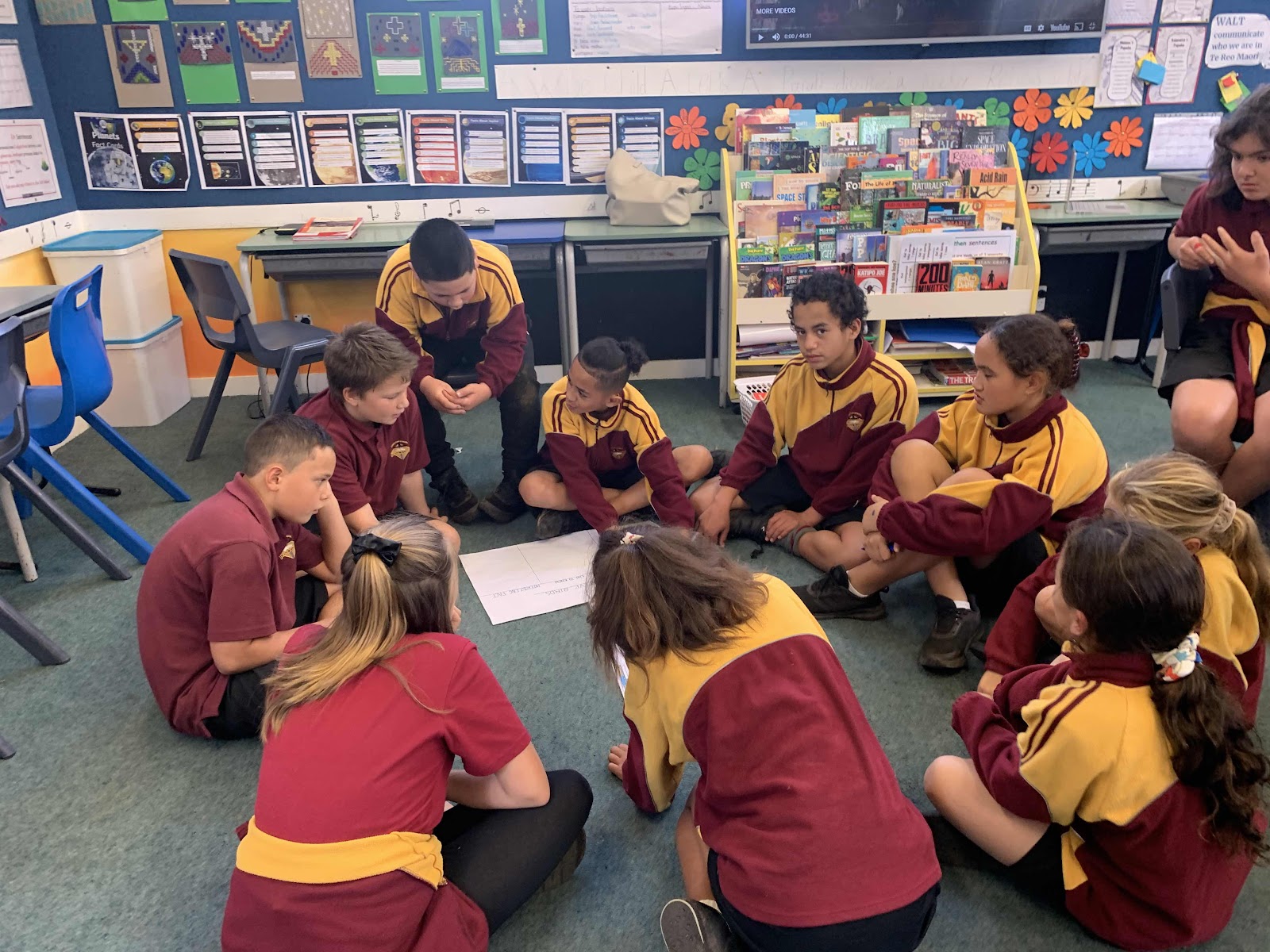
We started by getting into groups and brainstorming what we already knew about NZ native birds and how they are coping. It’s quite clear that this topic is new to many students (either that or many were too shy to communicate their ideas). 

We will revisit Fight for the Wild documentary and discuss some key ideas it presents. Over the next few weeks, reading homework will often be connected to this topic. From there we come up with our questions that will shape where our topic will head. 


Friday, 11 June 2021

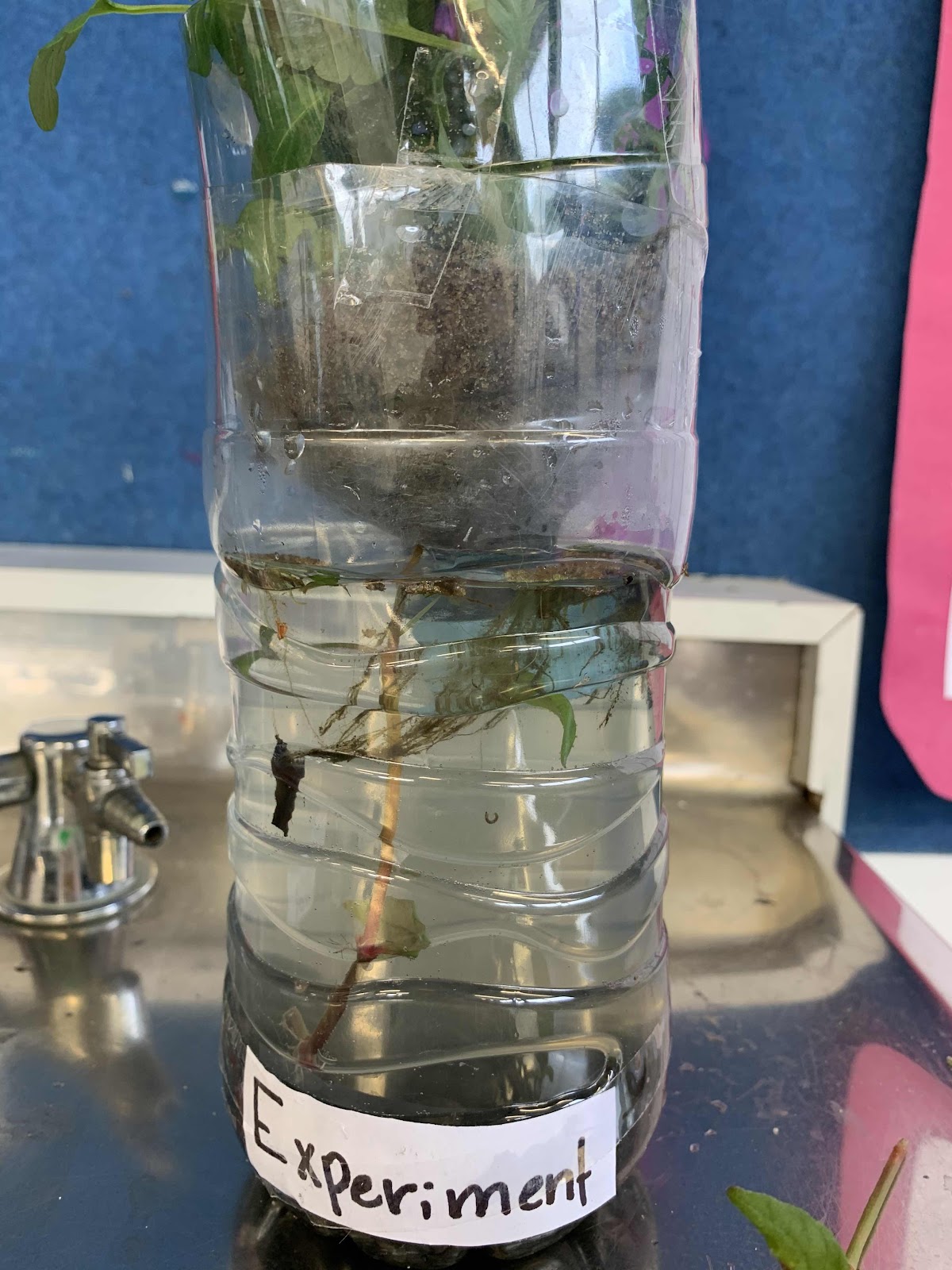
Nutrient Impact Experiment

Learning through science. 

Estuaries play an important role in a healthy environment. They are the connection between land and sea; they are teeming with life - the nursery of sea. 

Rivers carry nutrients out to the estuaries and into the sea, but what happens if too many nutrients are getting into water systems and estuaries? 

Our class was tasked with coming up with a way to explore this question. Hawaiki’s, Zoe, Hunia and Khody talked through their idea and the class adopted it. 

Our Plan
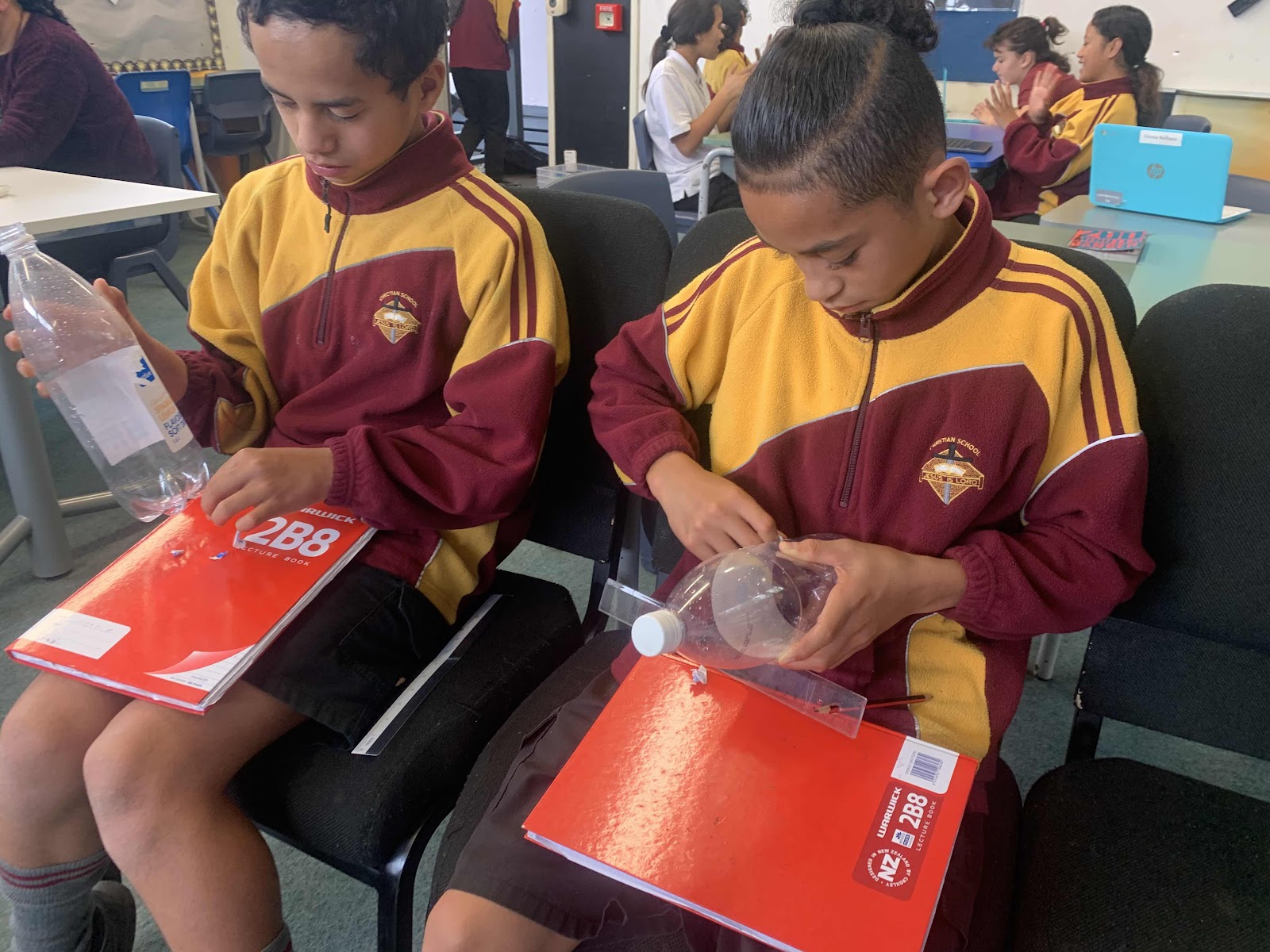
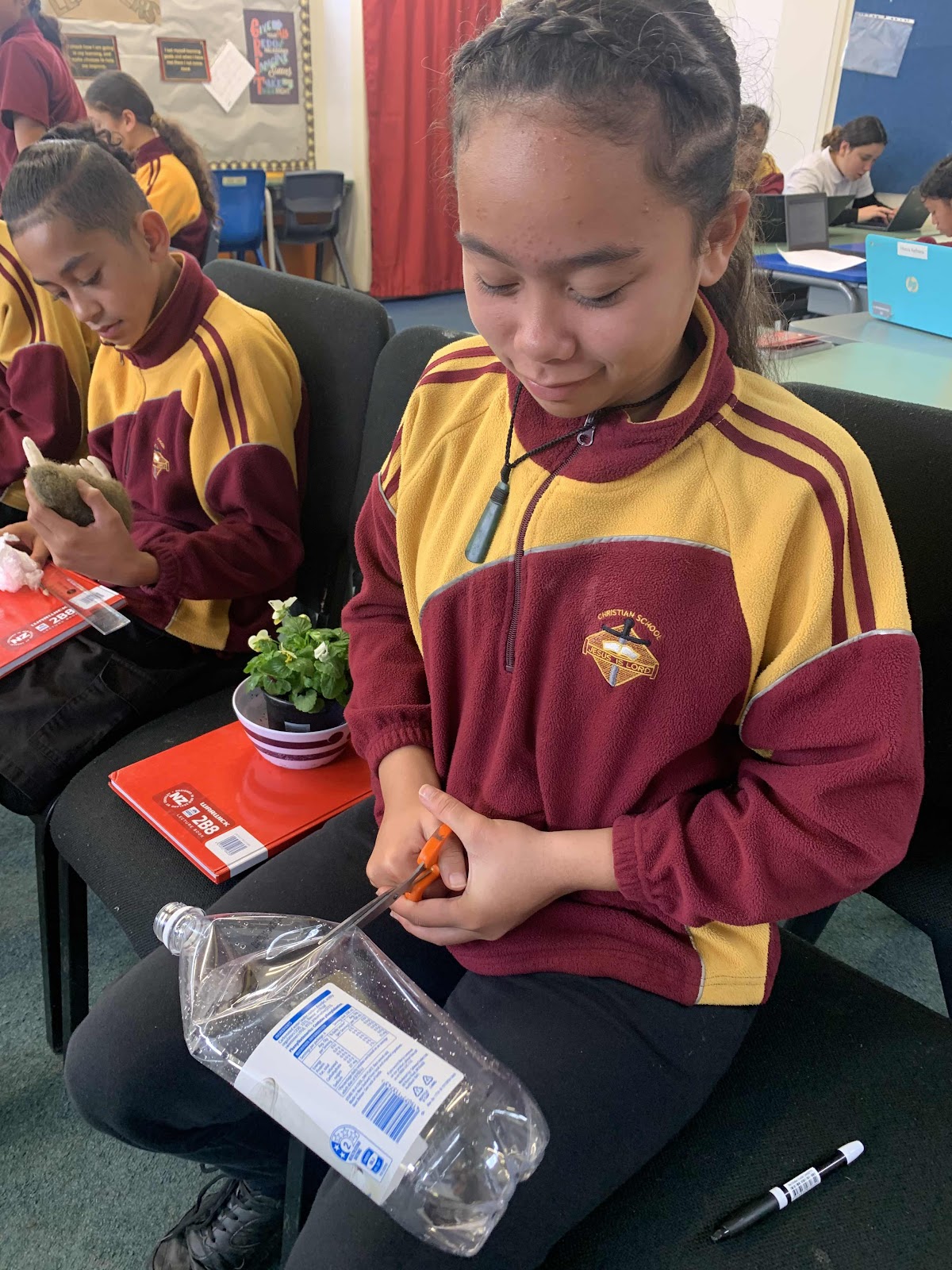
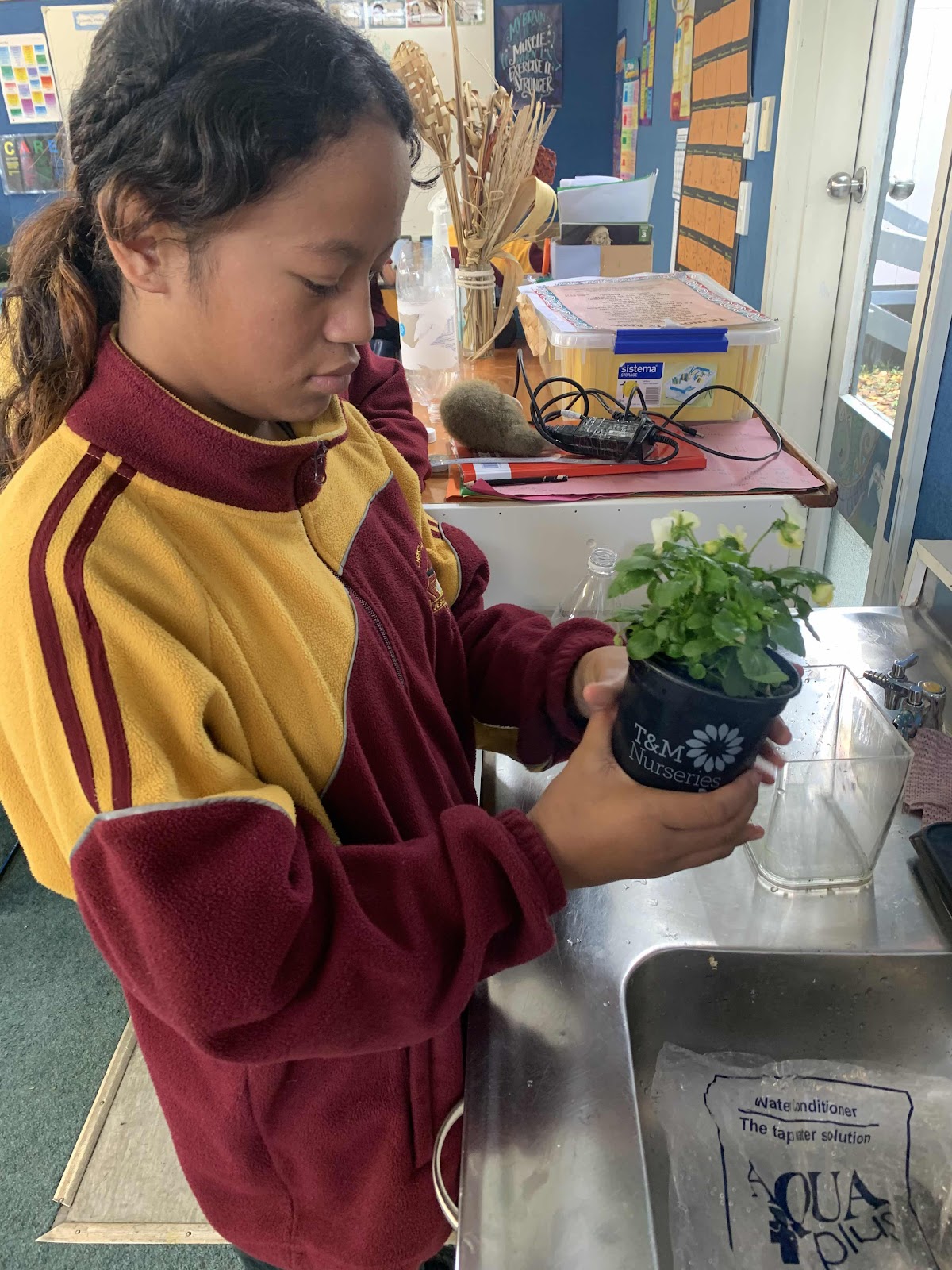
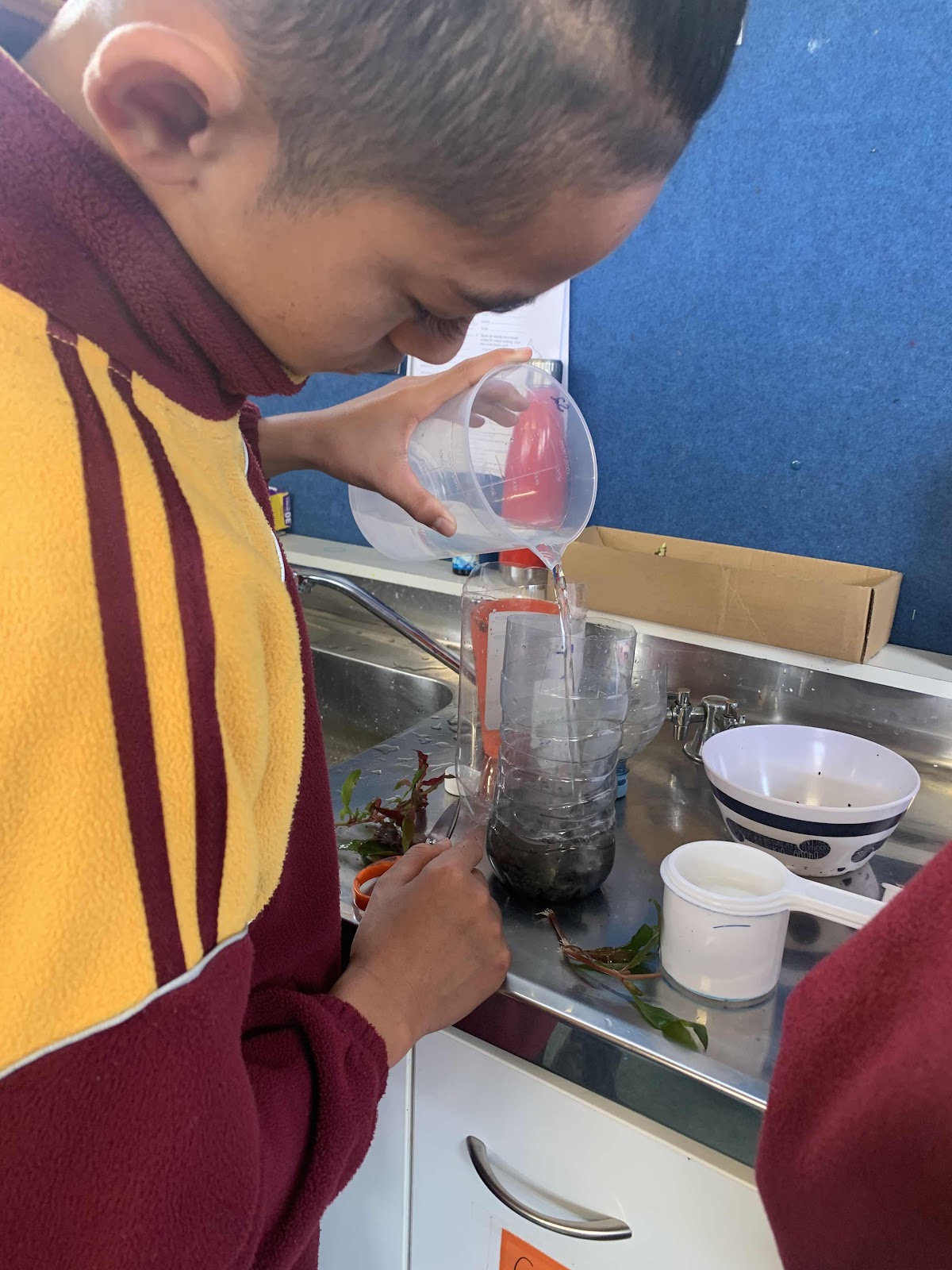
Create two mini environments that model living plants in the soil and living plants in rivers. Feed one water and the other water with nutrients. Watch and observe over the next few weeks.


The class learned that fair testing during an experiment makes the results reliable. We wouldn’t have different plants or amounts of water in the two models as results could be due to those variables. Because of this, everything was measured carefully.


Sunday, 30 May 2021

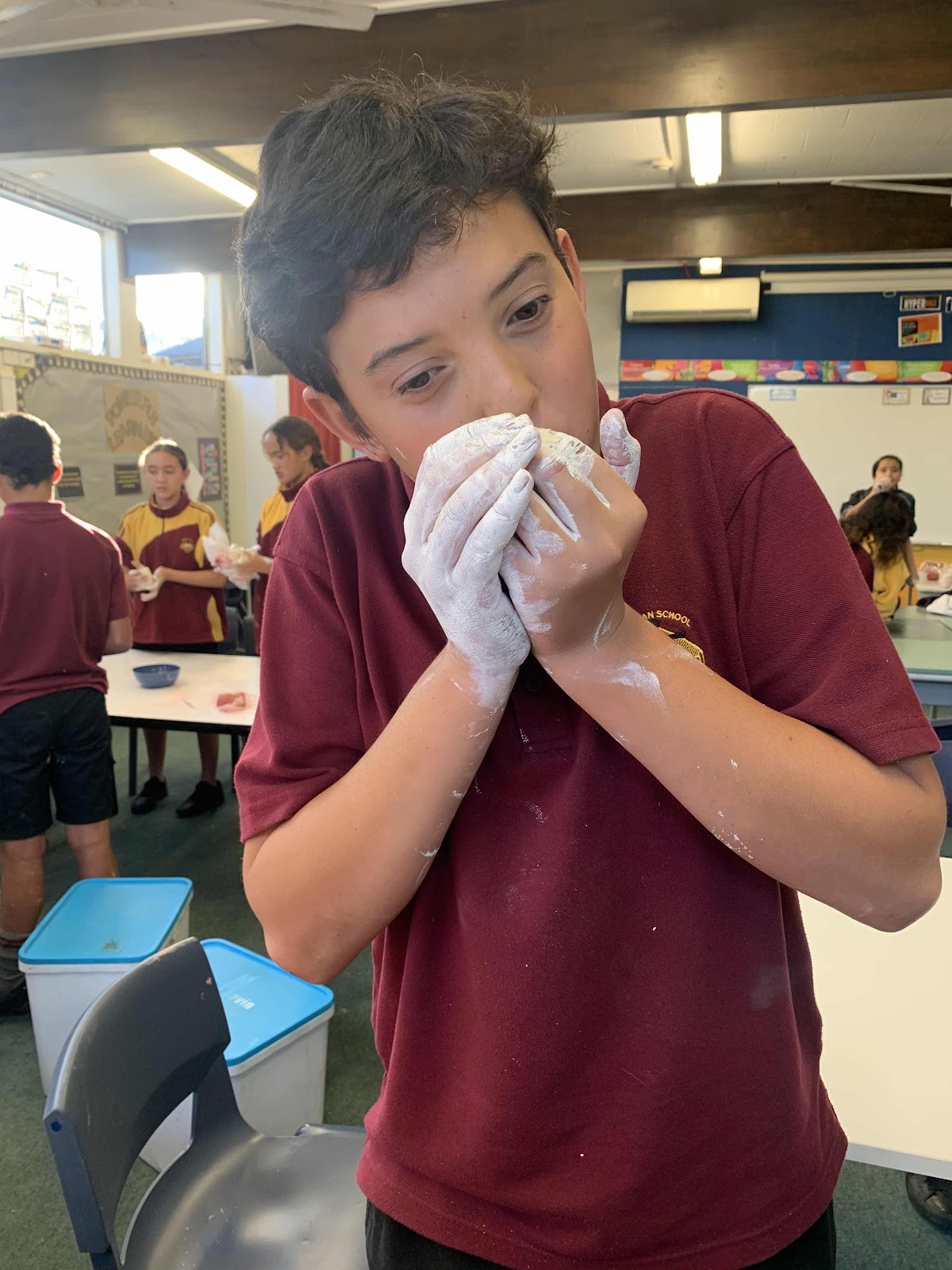
Getting our Hands Dirty

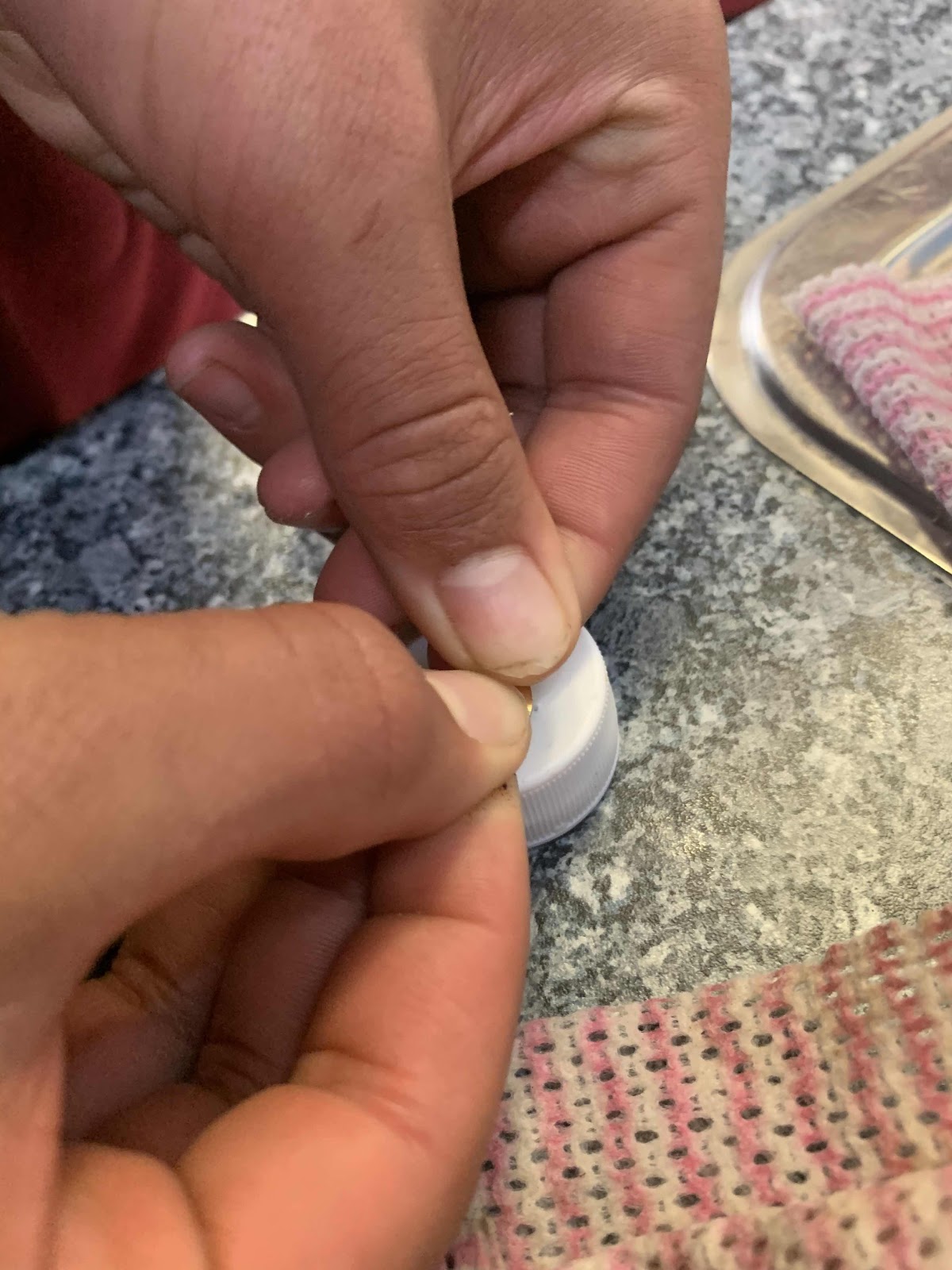
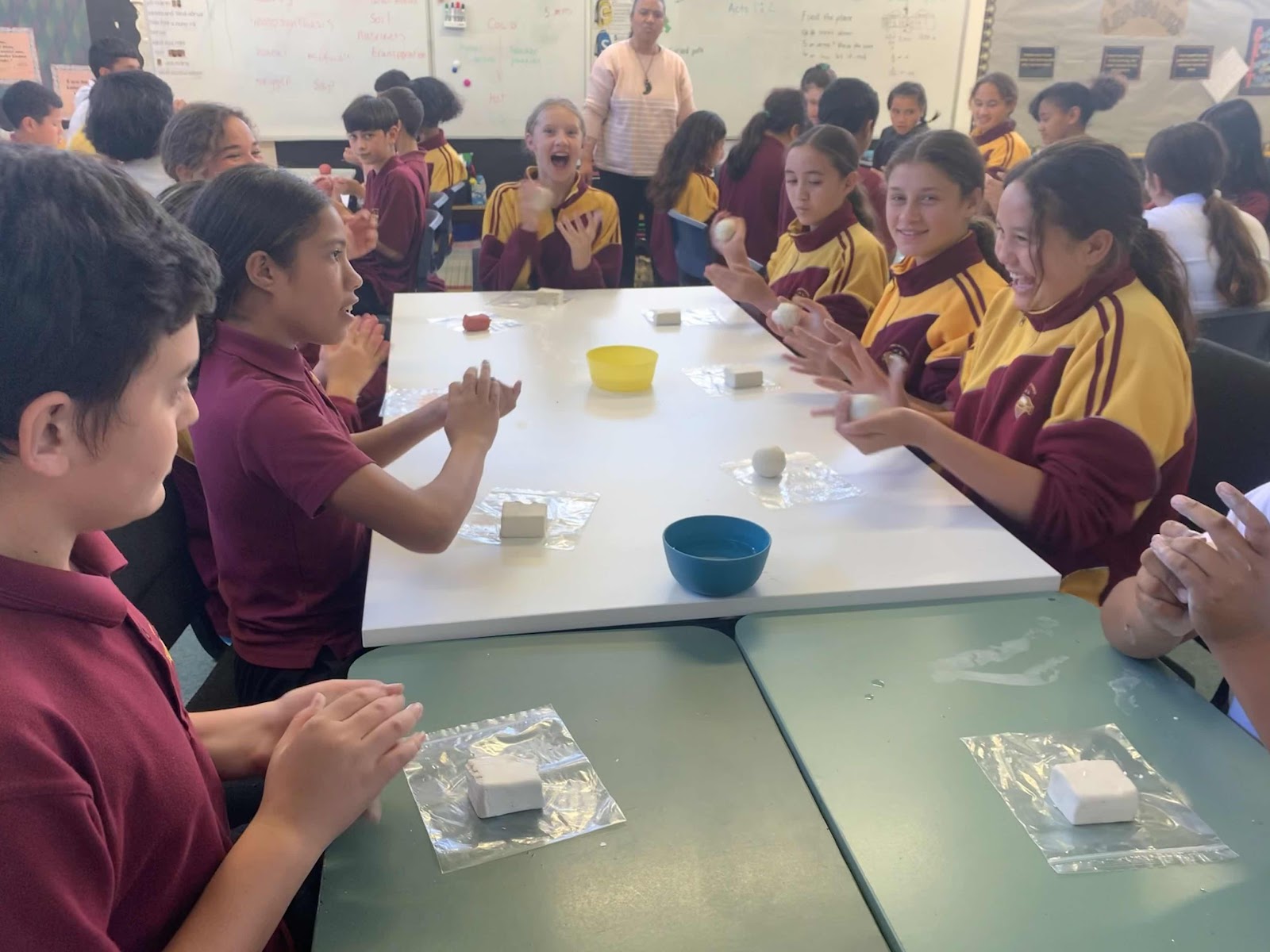
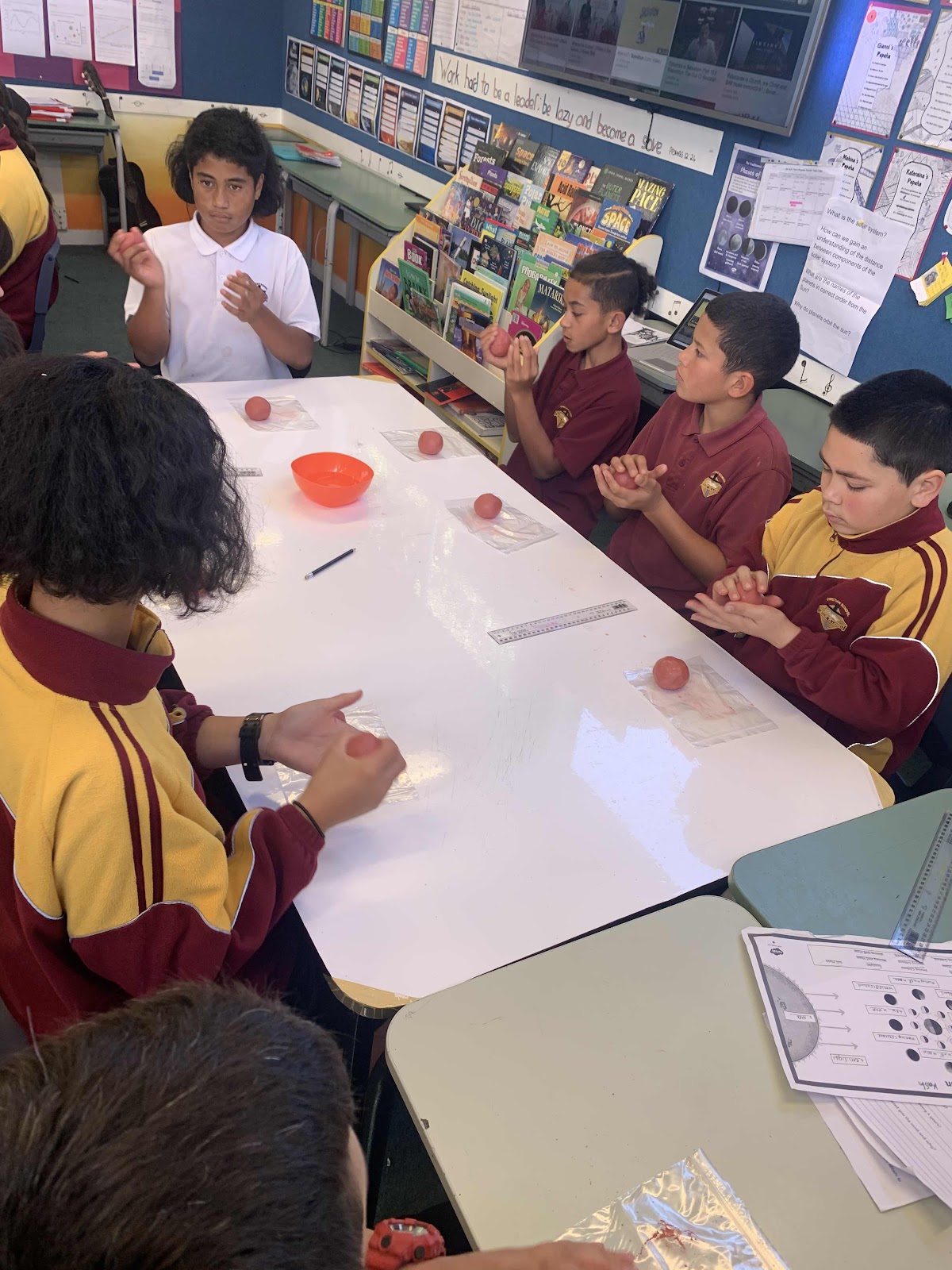
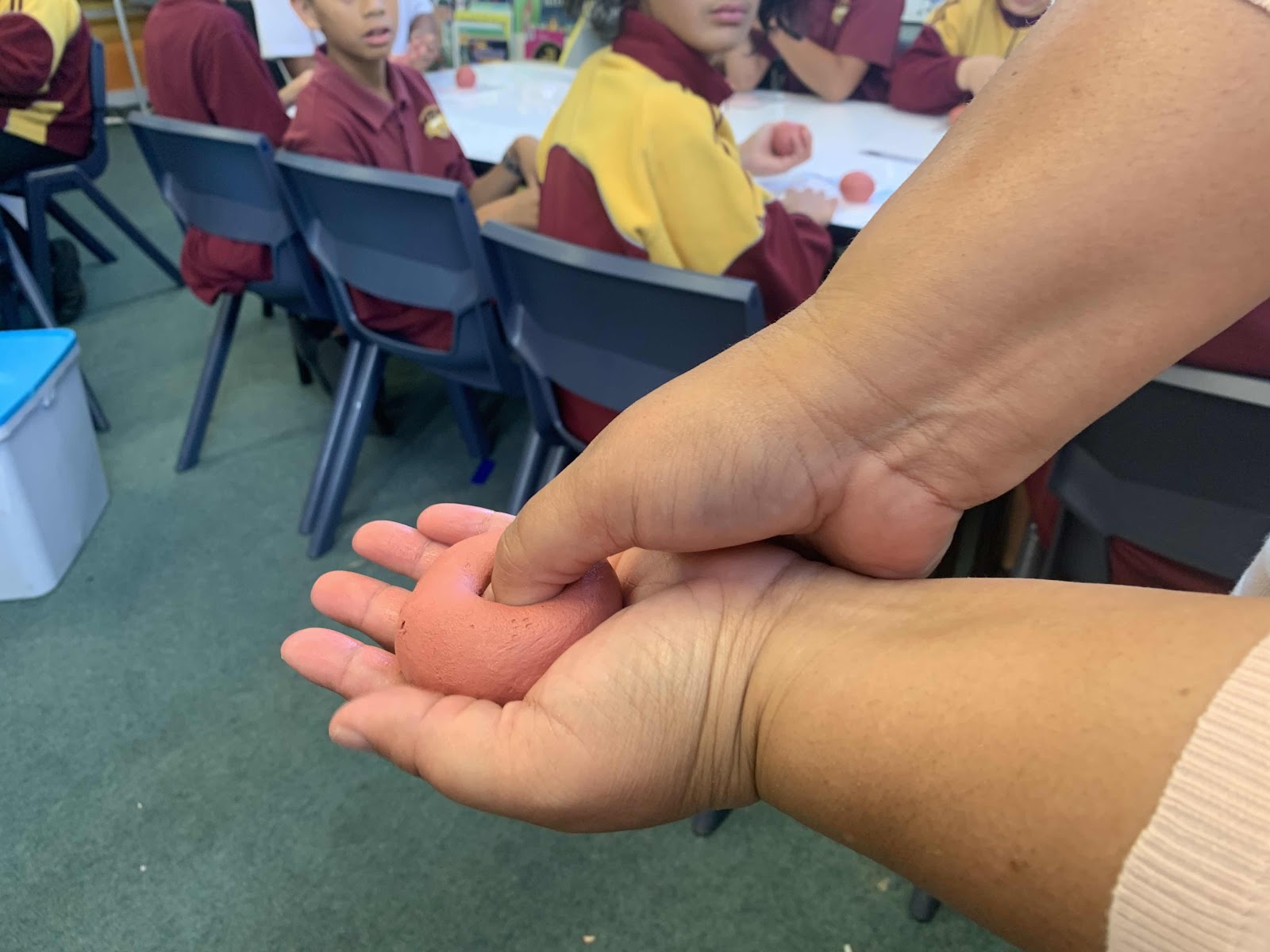
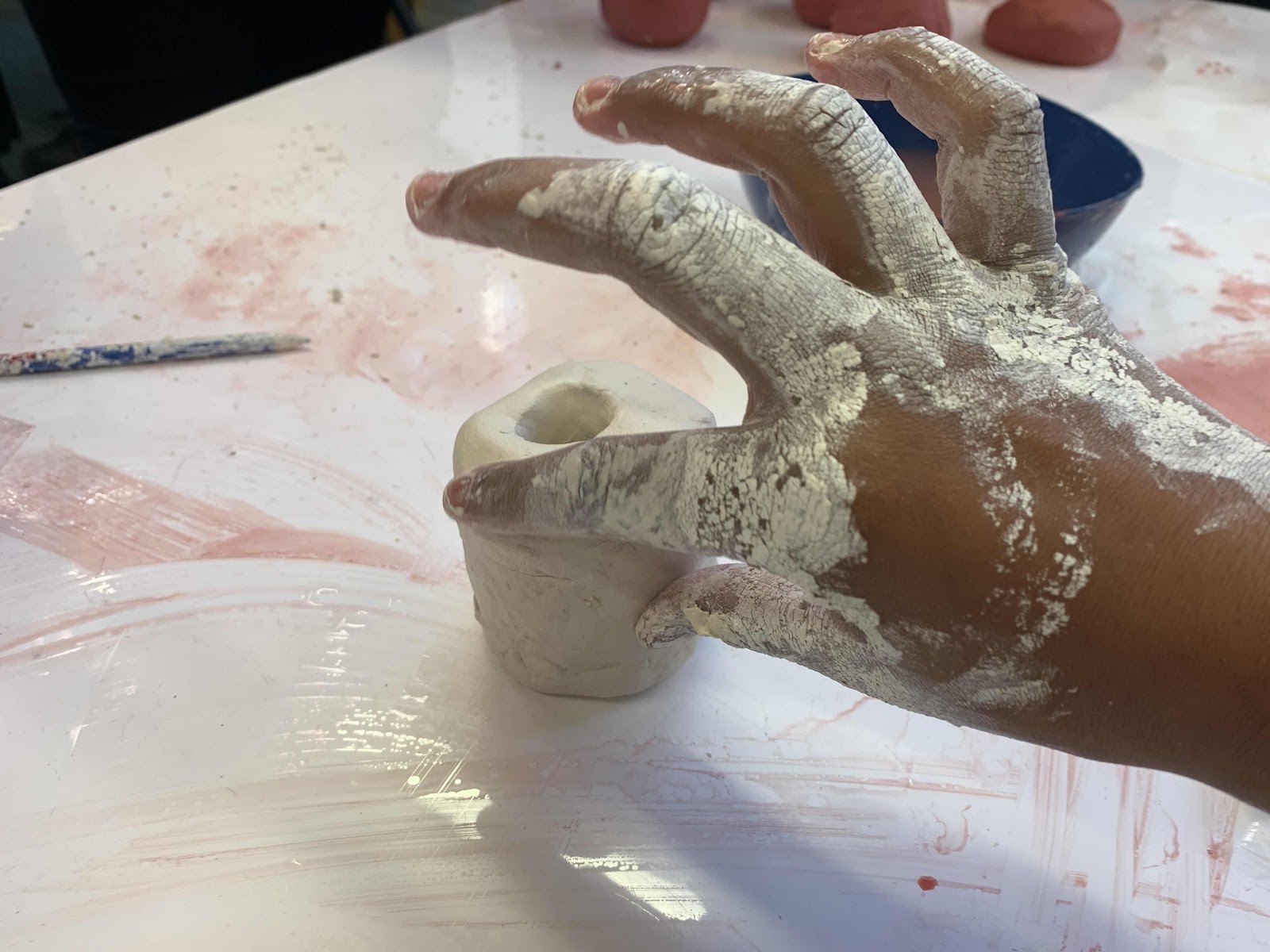
This week in class we had an ‘arts intensive’. From lunchtime to 4:30 we learned how to make a Maori musical instrument called puoro. 
To successfully create the puoro we needed to listen carefully and watch demonstrations that Whaea Ra gave to us. 
When crafted correctly, the clay sphere is able to produce a unique, calming sound. Tumu and Taitokerau both found the technique second nature;  others had to persevere to play the puoro. 

Here are some photos. Soon students will post their instructions on how to make a puoro to their blogs. 


Sunday, 16 May 2021

Science - the joys of discovery

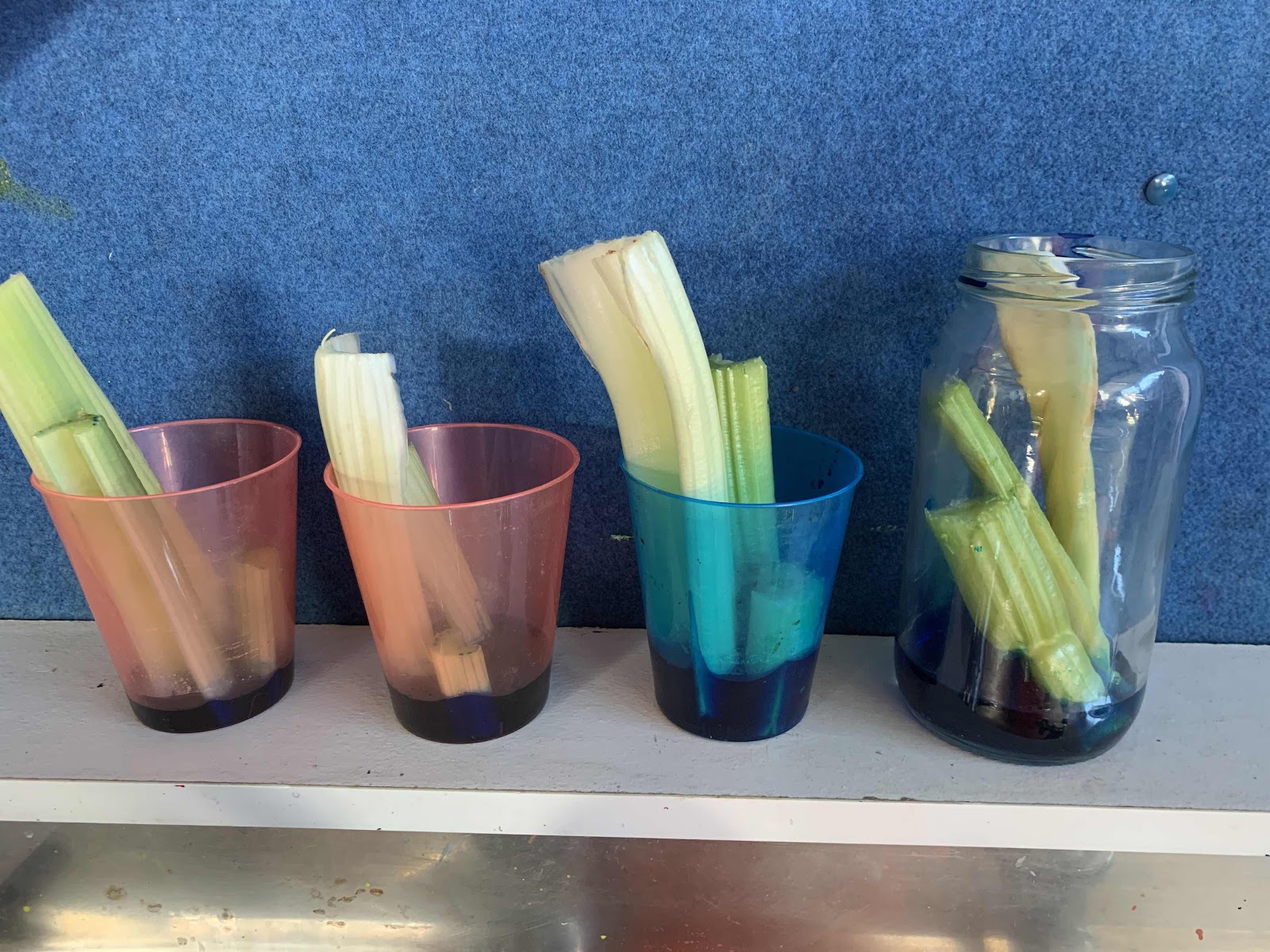
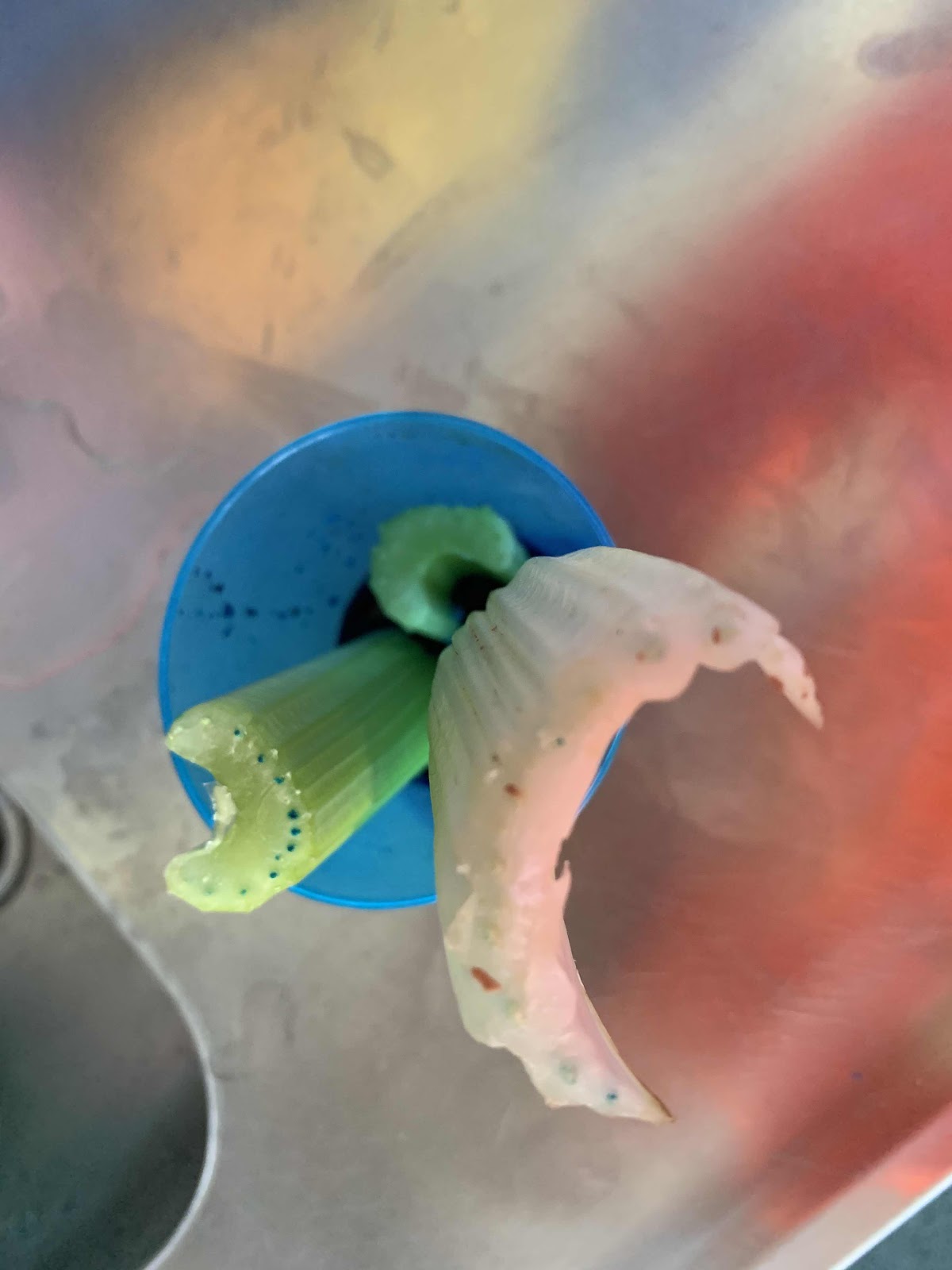
How do plants get the nutrients they need? 
Exploring ideas by working through the scientific method, research and hands on task brings a greater understanding of ideas. 

The initial hypotheses of the class were very limited, ranging from a “I don’t know’ to a ‘nutrients are soaked up through the roots because that’s how they get their water”. 

Plan the Experiment 

Make Observations 


40 minutes later


Tuesday, 11 May 2021

How do we build suspense as writers?

 This week children have been trying to create a feeling of suspense or excitement in their writing.

After examining Paul Mason's story Chicken, techniques to try use are the following:

questioning

Short phrases for impact

Figurative and descriptive language

Planning the most exciting part towards the end


Here is a snippet of Hunia's recount...


Wednesday, 7 April 2021

Sea Week

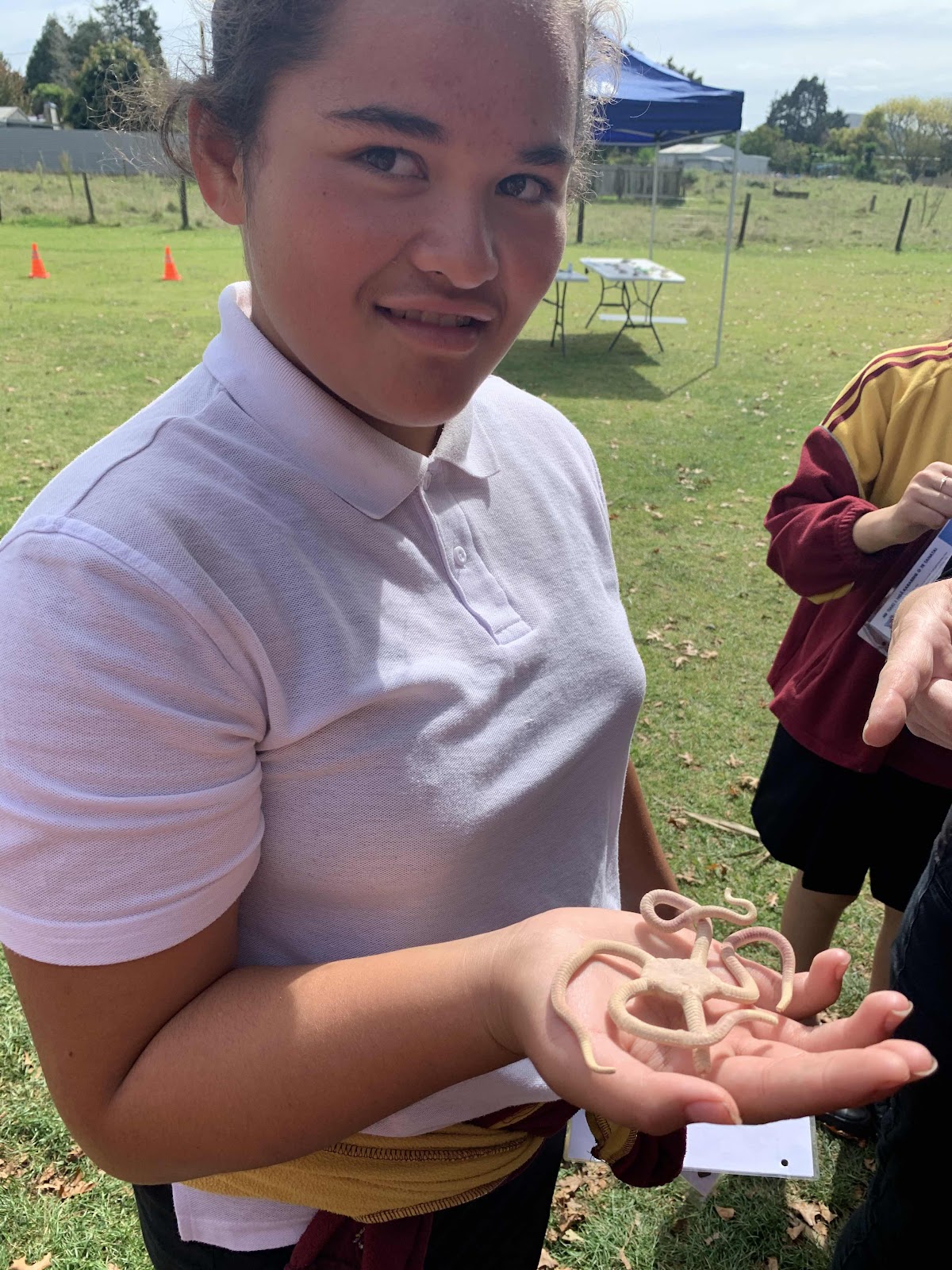
Today we had an interesting visit from NZ Fisheries officers. They taught the class why it’s important to gather kaimoana within the rules and guidelines of recreational fishing. 
Some ideas that the class could do with exploring further are: What is a marine reserve and why is it important that we have more, what are phytoplankton and coral and how are they linked to other parts of nature, what does ecosystem mean?

Some students have watched Seaspiracy on Netflix. I encourage other to watch it too. The ideas of bycatch, the unsustainable nature of worldwide commercial fishing and the human and environmental impacts of overfishing are explored in the documentary.